ChatGPT Removed Text Chat Limits for Free Users: What Nigerians and Africans Need to Know
OpenAI is removing limits on text-based ChatGPT conversations for Free and Go users. Here's what GPT-5.6 Luna, the new Think button and the changes mean for users in Nigeria and Africa.

Dolapo Anifowoshe
ChatGPT Is About to Become Much More Generous to Free Users
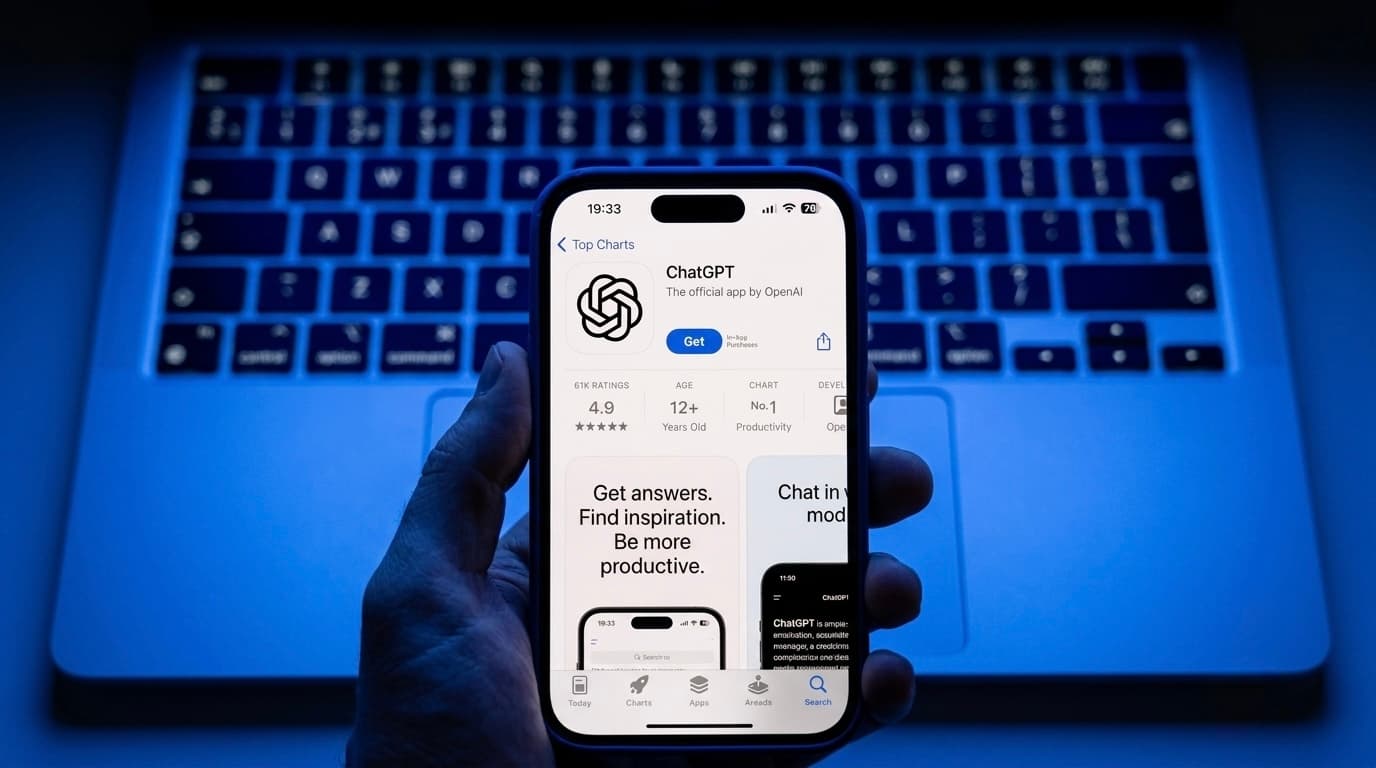
OpenAI is making one of the biggest changes yet to the free ChatGPT experience.
The company says it is removing limits on text-based chats for ChatGPT users, meaning Free and Go users will soon be able to have unlimited text conversations rather than constantly worrying about reaching a message cap.
The change comes as ChatGPT continues to grow rapidly, with OpenAI saying the service has recently crossed 1 billion weekly users.
But unlimited text conversations aren't the only change.
OpenAI is also introducing a new default model, GPT-5.6 Luna, a new Think button for harder questions, and upgraded reasoning controls for Plus and Pro subscribers.
For African users who rely on ChatGPT for school, coding, research, business and everyday work, this could be a significant upgrade.
What's Changing for Free ChatGPT Users?
The biggest change is simple:
Text conversations will no longer have the same usage limits.
Free and Go users will receive GPT-5.6 Luna as their default model, replacing GPT-5.5.
OpenAI says the model will power the standard ChatGPT experience while giving users access to more reasoning when they need it.
However, there's an important distinction:
"Unlimited text chats" doesn't mean everything in ChatGPT becomes unlimited.
OpenAI says separate limits will continue to apply to features such as:
File uploads
mage understanding
Image generation
Voice
Other resource-intensive features
So someone using ChatGPT purely for text conversations should benefit the most.
The New "Think" Button Could Be More Important Than It Sounds
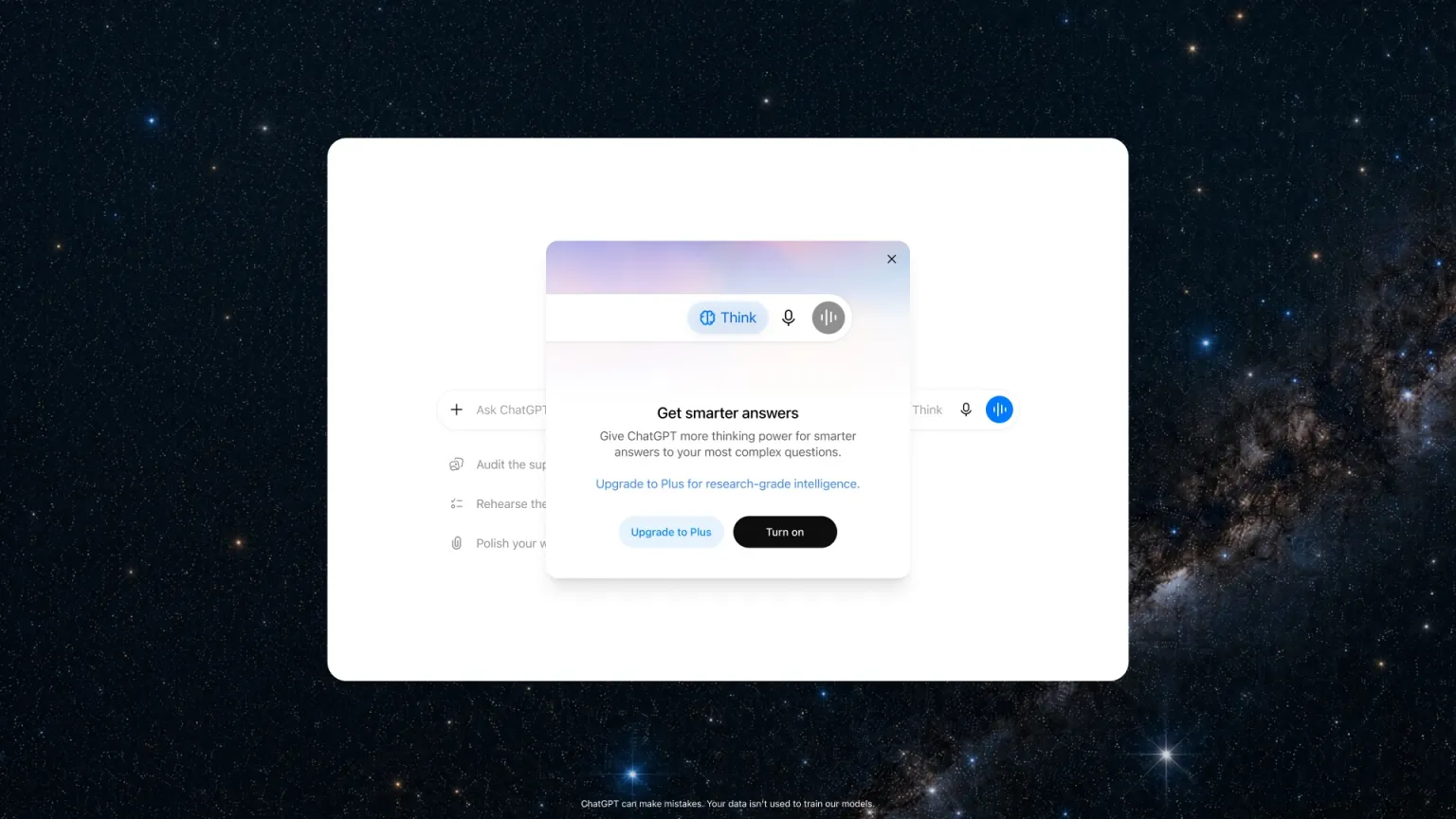
OpenAI is also giving Free and Go users a new Think button.
The idea is straightforward.
For a normal question, ChatGPT can answer quickly.
But if you're asking something complicated—such as:
Help me design the architecture for an AI-powered SaaS platform.
you can choose to make the model spend more reasoning effort on the problem.
This gives users a simple choice:
Quick answer → Think harder
That's particularly useful for:
Programming
Mathematics
Research
Business planning
Data analysis
Complex troubleshooting
Technical writing
What About ChatGPT Plus and Pro?
Paid subscribers aren't being left behind.
Plus and Pro users are receiving an upgraded GPT-5.6 Sol model designed for everyday tasks that require speed and strong answers.
OpenAI says the model is optimized for things like:
Questions
Web research
Advice
Planning
Writing
Decision-making
The company describes the updated model as producing more compact and robust answers.
There is also a bigger change for paid subscribers
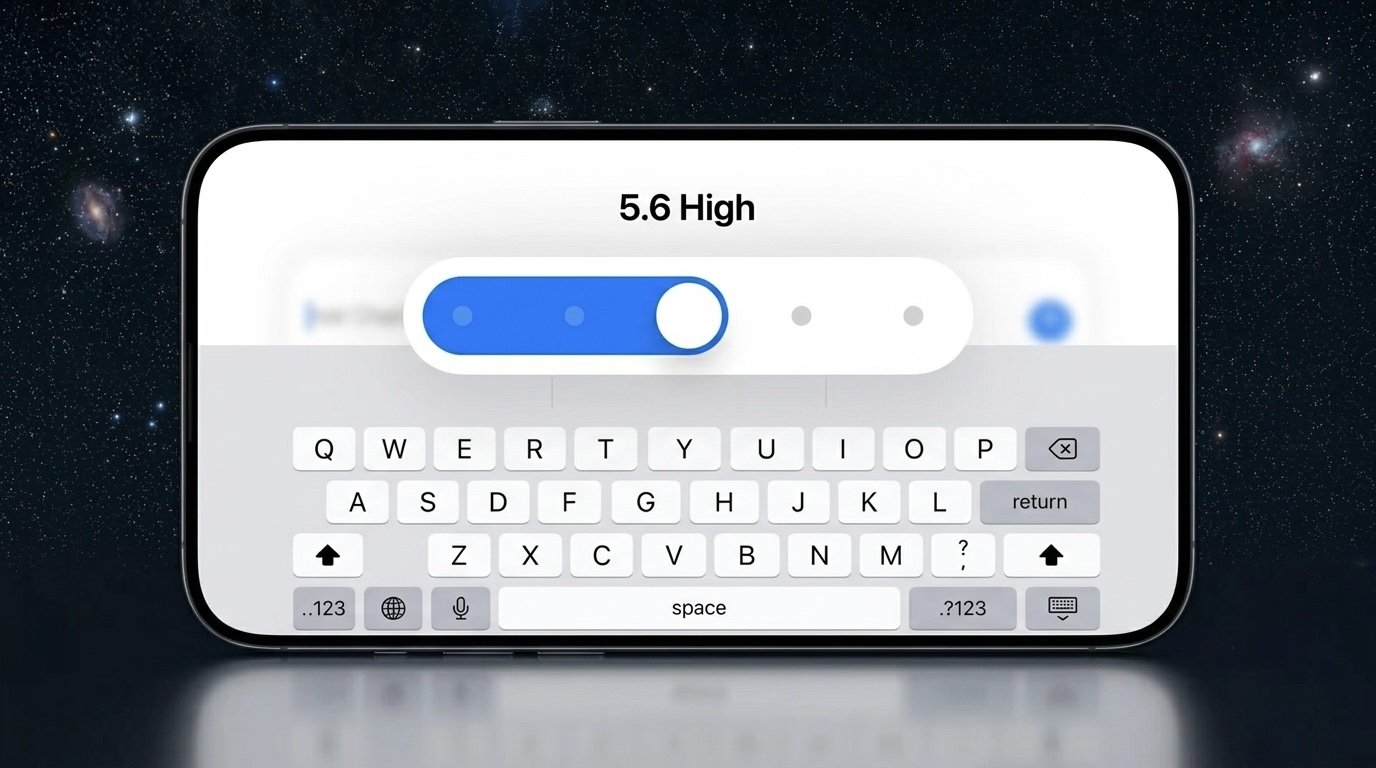
Plus and Pro Get a Thinking Slider
Instead of simply choosing whether to think harder, Plus and Pro users will be able to adjust how much reasoning effort the model uses.
Think of it like a performance dial.
Simple task
Low reasoning
"Write a short email to my customer."
Medium task
Medium reasoning
Compare these three business ideas and tell me which has the strongest potential.
Complex task
Higher reasoning
Design the database and API architecture for this application and identify potential scaling problems.
This gives advanced users more control over the balance between speed and reasoning depth.
OpenAI Says GPT-5.6 Is More Accurate
OpenAI also reported improvements in factual accuracy in its internal evaluation.
According to the company, compared with GPT-5.5-Instant:
GPT-5.6 Luna had 62% fewer factual errors
GPT-5.6 Sol had 68% fewer factual errors
It's worth emphasizing that these are OpenAI's internal evaluation results, rather than an independent benchmark.
Users should therefore still verify important information, especially when using AI for medical, financial, legal or other high-stakes decisions.
Why This Matters for Nigeria and Africa
This is arguably the most interesting part of the announcement for AfritechConnect readers.
A major barrier to AI adoption in many African markets isn't necessarily interest.
It's cost.
Students, freelancers, developers, entrepreneurs and creators often have to carefully manage subscriptions because international software subscriptions can become expensive when converted to naira.
Removing text-chat limits makes ChatGPT considerably more useful for people who can't justify paying for a premium AI subscription every month.
Students Could Benefit the Most
Imagine a Nigerian university student studying computer science.
They could use ChatGPT to:
Explain programming concepts
Debug code
Summarize lecture notes
Practice interview questions
Generate study plans
Explain difficult mathematics
Research topics
Prepare presentations
Previously, hitting a usage limit could interrupt that workflow.
Unlimited text conversations potentially make ChatGPT much more practical as an everyday study assistant.
Of course, students should still use AI responsibly and avoid submitting AI-generated work as their own where their institution prohibits it.
What Does This Mean for AI Competition?
The move also increases pressure on competing AI platforms.
ChatGPT is competing with products from companies such as:
Google
Anthropic
Meta
xAI
DeepSeek
Alibaba
Many of these companies are also competing aggressively on pricing and access to increasingly capable models.
If free users can have extended conversations with a powerful model without constantly worrying about message limits, the barrier to experimenting with AI becomes much lower.
And that's important because AI adoption increasingly depends on habit.
The more people use an AI assistant every day, the more valuable it becomes to them.
When Will Unlimited Chats Arrive?
OpenAI says the rollout is happening in stages.
The updated GPT-5.6 Sol experience is becoming available to Plus and Pro users first, while the Free and Go changes are rolling out during the week.
The unlimited text chats and Think button are expected to become available to users in the following stage of the rollout.
Because OpenAI frequently rolls features out gradually, users may not all see the same options at exactly the same time.
Final Thoughts
OpenAI's decision to remove text-chat limits could be more important than it initially appears.
For people who primarily use ChatGPT to ask questions, learn, code, research and write, the free version is becoming substantially more useful.
And for Africa, where the cost of international software subscriptions can be a real barrier, giving users much greater access to capable AI without requiring a monthly payment could accelerate everyday AI adoption.
The bigger question now is:
If free ChatGPT becomes this capable, what will convince the average user to pay for AI?
That battle is only getting started.
Advertisement
Responsive
Related Articles
OpenAI AI Smart Speaker: Jony Ive Design, Price & What to Expect in 2027
OpenAI is reportedly developing a screenless AI smart speaker with Jony Ive's LoveFrom, expected in 2027 for $300–$400. Here's what we know about its design, features, price and potential impact in Africa.

Open-Weight AI Is Catching Up to GPT-5.5 But There's a Growing Safety Debate
New research suggests open-weight AI models are approaching the capabilities of frontier models like GPT-5.5 and Claude Opus. Here's why developers are excited—and why AI safety experts are concerned.
Build Your Own Local AI Agent in 2026: A Beginner's Guide for Africans
Learn how to run your own AI assistant locally using open-weight models like Qwen and Gemma with OpenClaw. Automate emails, documents, coding, and business tasks—even on budget laptops.
Advertisement
728x90
Comments (0)
Leave a comment
Comments cannot be edited or deleted after posting. Please review your comment before submitting.
No comments yet. Be the first to share your thoughts!